
Hospital-Grade General Anesthesia for Dental and Oral Surgery Patients
More than sedation. True General Anesthesia by a board-certified physician anesthesiologist.
Advanced airway management. Proprietary anesthetic technique. Patient-focused care.
Thank you for trusting me with your care.
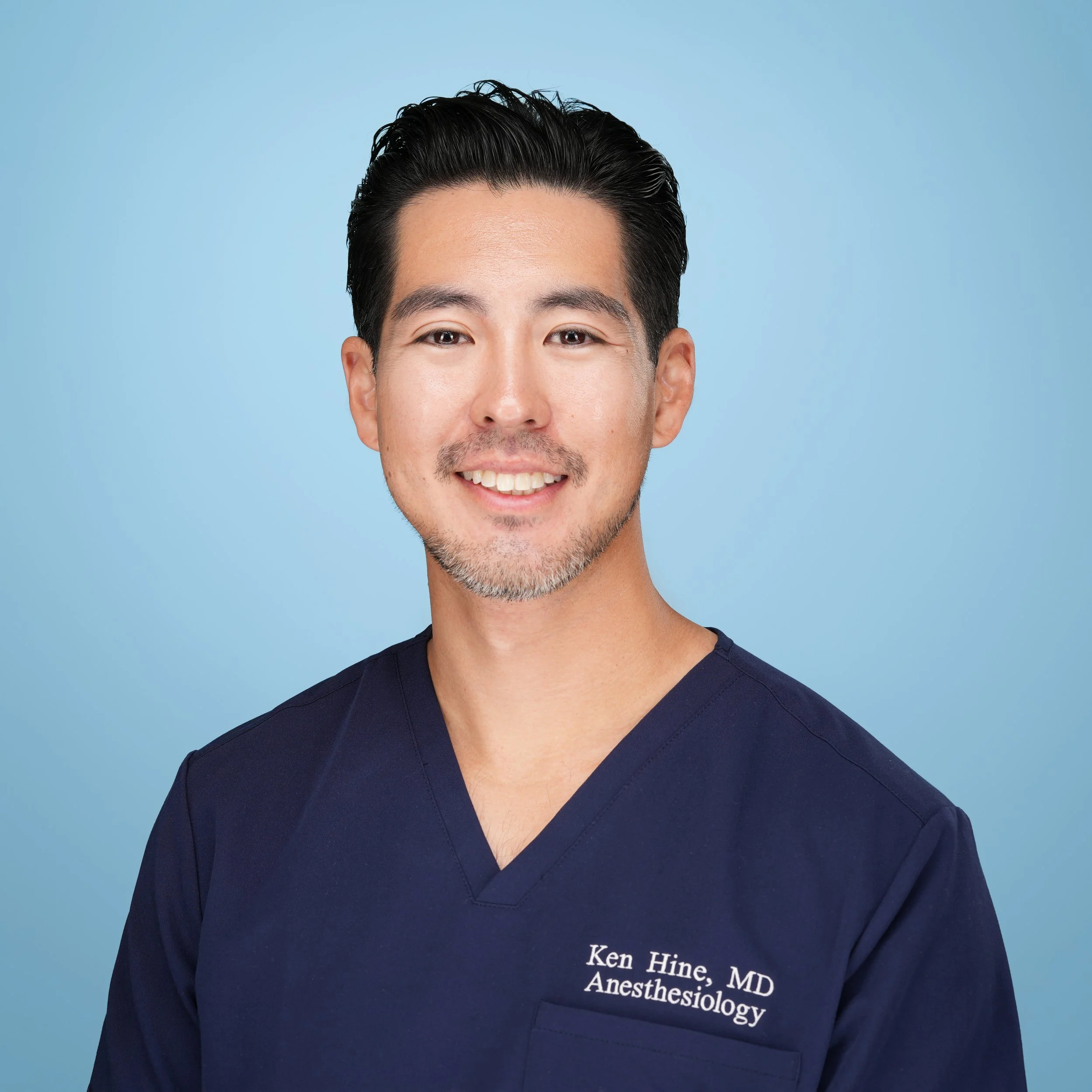
- Ken Hine, MD
For Patients
Physician-Administered Hospital Level Anesthesia: Every anesthetic is personally administered by Ken Hine, a board-certified anesthesiologist (MD) with extensive hospital-based training in advanced airway management, pharmacology, and perioperative medicine. He adheres to the same safety standards used in hospitals.
Smooth, Needle-Free Induction: Patients drift comfortably to sleep after only a few breaths of anesthetic gas in a carefully monitored setting — without the need for an IV while awake.
Rapid, Seamless Onset: The anesthetic takes effect within seconds, allowing for a calm and efficient transition to sleep with minimal stress or discomfort.
Secured Airway Protection: A protected airway using an endotracheal tube or laryngeal mask airway supports continuous breathing and significantly reduces the risk of aspiration during surgery.
Comfort-Optimized Anesthetic Technique: A carefully selected combination of anesthetic medications is used to minimize pain, reduce nausea, and promote a smoother, more comfortable recovery experience.
Deep, Reliable General Anesthesia: A balanced anesthetic approach provides consistent depth of anesthesia, preventing awareness or movement and allowing optimal surgical conditions.
For Dentists & Oral Surgeons
True general anesthesia (not sedation/MAC): Stable, controlled, immobile operating conditions
Fully self-contained anesthesia system: I provide all equipment, medications, airway devices, and monitors
Only requirements: standard power outlet, brief assistance at induction and emergence. Oxygen is appreciated but I carry my own tanks if none available.Advanced airway management: Airway always managed with flexible LMA or nasal RAE tube
Hospital-grade monitoring & safety standards: Continuous SpO₂, ETCO₂, EKG, NIBP, and temperature monitoring for every case. SCDs for DVT prophylaxis on cases >1 hour in appropriate patients.
High-level infection control: Structured disinfection protocols aligned with hospital-level practices.
Why Choose Hine Anesthesia
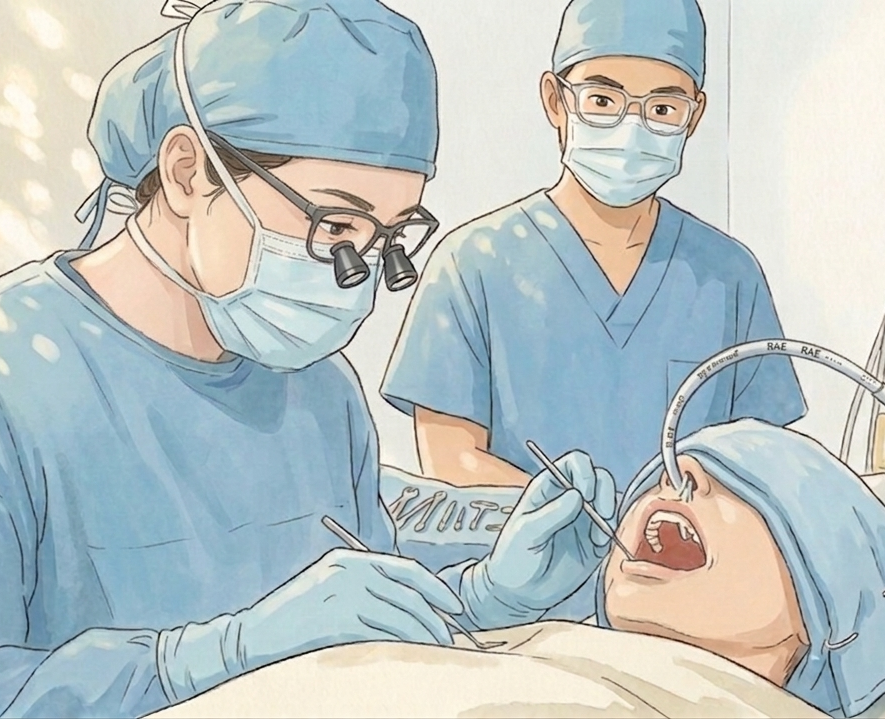
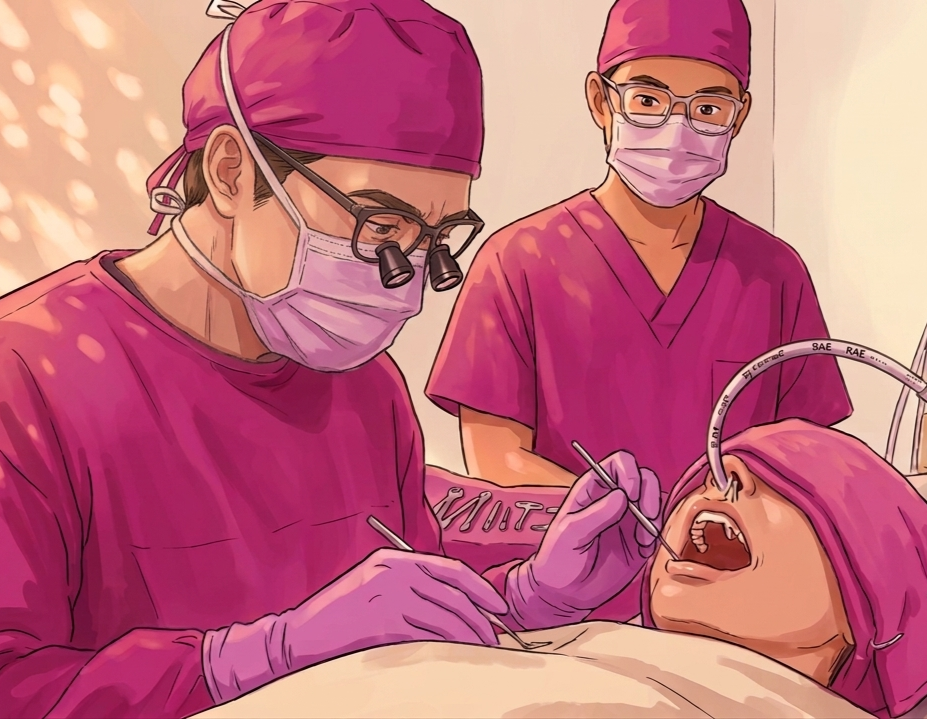
Images generated using Google Gemini